
Originally posted February 2, 2020
Interviewed by Amy Stich, Assistant Professor, Institute of Higher Education, University of Georgia. Part of a series to help demystify the conference and convince you to join us!
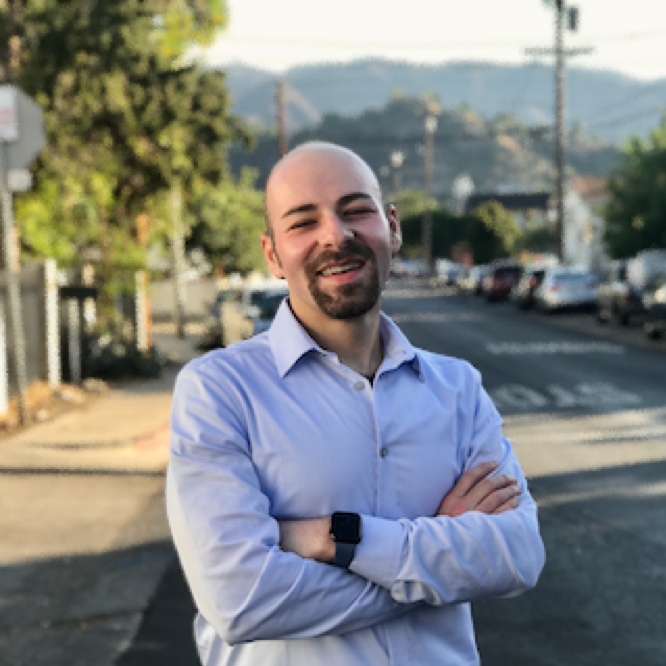
Oshin Khachikian is a PhD Candidate at UC Irvine and studies how immigrant parents prepare their children for college. His research can be found in The Journal of Ethnic and Migration Studies, as well as Ethnic and Racial Studies and examines how the formal organizational context of education and U.S. immigration laws reproduce intergroup disparities in education among Mexican, Salvadoran, Filipino, Iranian and Armenian origin students in Los Angeles.
Q: When did you first attend SEA? Can you tell us what your first SEA conference experience was like?
A: I first attended SEA in 2018 and had heard about it from other students and professors in my department who had presented at the conference in prior years. I was nervous to go (alone!) but was welcomed very warmly by a number of people, including Irene Beattie when I went to pick up my badge and attend the first session. I was actually surprised how scenic the conference setting was and I think this environment actually does a lot to ease the interactions.
Q: What do you like most about SEA? Why?
A: I thought the meals and compact scheduling of the event contributed to the communal, more egalitarian conference culture than what is common at larger events such as ASA. I think having such a broad array of educational sociologists in the same space with the understanding that they’re all there to improve one another’s work and to do so collegially is an important and rare opportunity for graduate students.
Q: How has SEA shaped or influenced your scholarship?
A: I think it helped exposed me to the broader disciplinary reading expectations through audience Q&A during panel presentations, which is invaluable for writing papers and trying to frame research topics. Additionally, it has put me in touch with a number of scholars who work near me in other universities with whom I am still in touch about research questions and ongoing work.

 Sociology of Education Association